
As we hit the peak of the West Coast summer, our service bay has seen a rise in heat-related equipment stress. We wrote a quick guide for our partners on how to manage thermal expansion and viscosity breakdown before they turn into costly downtime during the busy fall season. If your fleet is showing signs of age, or if you just need a mid-year checkup on your ASME certified tank fabricators compliance, let’s get you on the schedule.
But as temperatures climb, the margin for error with your equipment shrinks. At Davidson Enterprises, we know that “real-world use” in 100-plus degree heat requires more than just checking fluids; it requires a proactive approach to your vacuum system’s health.
The Science of the Sizzle: Why Heat Attacks Vacuum Performance
High ambient temperatures do more than make the operator’s cab uncomfortable; they actively fight your machinery.
- Viscosity Breakdown: As heat rises, the viscosity of your PTO and hydraulic pump oil thins out. When oil loses its body, it fails to lubricate effectively, leading to increased friction and internal wear.
- Performance Drops: Thinning oil causes a noticeable drop in vacuum performance. This makes every job take longer and puts unnecessary strain on your engine.
Pro-Tip: Keeping an eye on your oil health and cooling systems now prevents a total pump seizure when you can least afford the downtime.
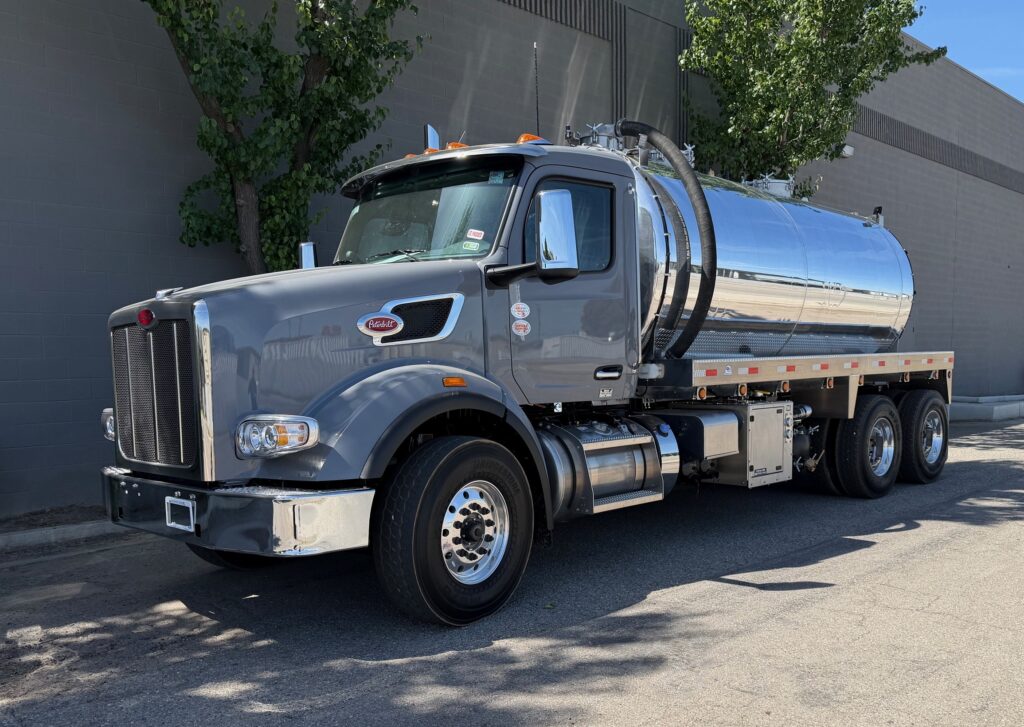
Thermal Expansion: The Silent Wear-and-Tear
Metal and rubber are not static. The extreme thermal cycling of a hot California August causes significant expansion and contraction in your tank components. This is the time to be diligent about checking your valves, vents, and pressure relief systems. Seals that were “fine” in the spring can become brittle or shift under thermal stress, leading to vacuum leaks or safety hazards.
A quick inspection of your pressure relief settings ensures that as gases expand inside the tank, your equipment reacts exactly as it was engineered to do.
Don’t Wait for the Fall Rush: Mid-Year DOT Compliance
With the fall season approaching, now is the strategic time to handle your DOT CT-1346 compliance checks. These mid-year inspections are your best defense against the “small” issues, like a hairline weld leak or a failing gasket, that summer heat exposes. Catching these failures now ensures your truck stays on the road while your competitors are stuck in the shop during the busy season.
Schedule Your Inspection Today
Don’t let a preventable pump failure or a failed inspection sideline your fleet. Be proactive and keep your equipment running with the durability it was built for.
Schedule an end-of-summer valve and pump inspection, or Get a quote now.